
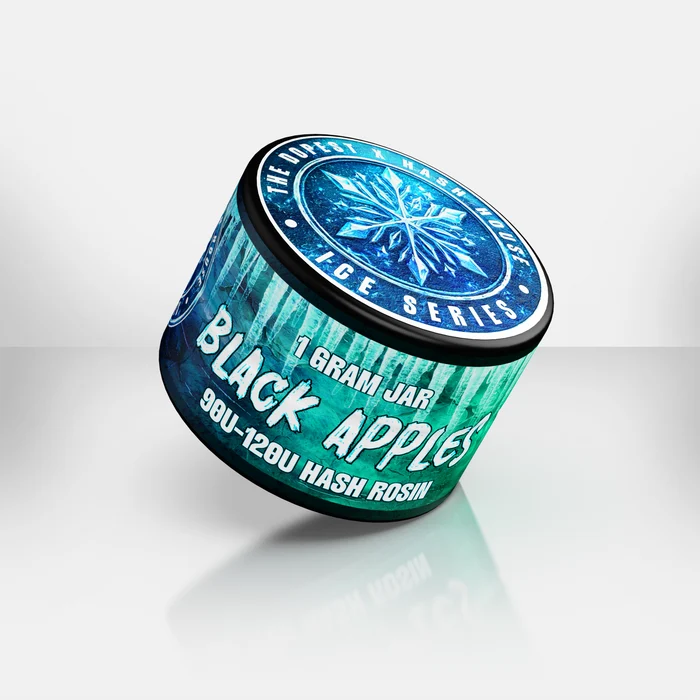

The Dopest Water Hash Black Apples: Product Overview
The Dopest Water Hash Black Apples is a cannabis concentrate presented in a traditional water-hash format. Water hash is produced by separating resin-rich trichomes from cannabis plant material through a process that uses ice-cold water and filtration. The resulting concentrate can have a distinctive texture, aroma, and appearance depending on the starting material, processing technique, and storage conditions.
For consumers researching cannabis concentrates in the United States, understanding the characteristics of water hash can make it easier to distinguish this format from other concentrate categories. Unlike many solvent-based extracts, traditional water hash relies on mechanical separation and cold water rather than chemical solvents during the primary separation process.
What Is Water Hash?
Water hash, sometimes called ice-water hash or bubble hash, is a concentrated cannabis product created by separating trichomes from cannabis flowers using ice, cold water, agitation, and filtration screens. Trichomes contain many of the plant’s cannabinoids and aromatic compounds, which is why concentrated trichome products can have pronounced sensory characteristics.
The final consistency can vary significantly. Some water hash is dry and crumbly, while other preparations can be soft, sticky, or resinous. Processing variables such as temperature, filtration, drying, and storage all influence the finished product.
Black Apples Profile
The Black Apples designation identifies the particular cultivar or flavor concept associated with this product. When evaluating a cannabis product with a distinctive name such as Black Apples, consumers may encounter aromatic notes influenced by the plant’s terpene composition.
Aroma and flavor descriptions can include fruit-forward, sweet, earthy, herbal, or other characteristics. However, sensory perception is subjective, and the experience can vary between production batches, storage conditions, and individual consumers.
Appearance and Texture
Water hash can display a range of colors and textures. Depending on the processing method and material used, it may appear golden, tan, brown, or darker in tone. Texture can range from loose and granular to more cohesive and resinous.
These characteristics can change over time. Exposure to heat, oxygen, light, and moisture may affect the physical consistency and aromatic qualities of a concentrate. Proper storage is therefore important when maintaining product characteristics.
Understanding Cannabis Concentrates
Cannabis concentrates generally contain substantially more cannabinoids by weight than traditional cannabis flower. Water hash is one of several concentrate formats available in regulated cannabis markets.
Other concentrate categories include rosin, live resin, cured resin, distillate, and various forms of hash. Each category can differ in extraction or processing methodology, texture, cannabinoid concentration, and terpene profile.
Water hash is particularly notable because its production emphasizes physical trichome separation. This makes it an interesting category for consumers who want to learn about traditional concentrate-processing techniques.
Potency and Label Information
Cannabis potency can vary considerably between products and batches. Rather than assuming potency based solely on a product name or concentrate type, consumers should consult the product’s current laboratory testing and packaging information where available.
Important information may include:
- Total THC
- Total CBD
- Cannabinoid profile
- Batch or lot number
- Laboratory testing information
- Net weight
- Production or packaging date
- Applicable regulatory warnings
Laboratory results are especially useful because cannabinoid concentrations can differ between batches. Consumers should rely on current product-specific testing rather than generalized assumptions about water hash.
Storage Considerations
Concentrated cannabis products can be sensitive to environmental conditions. Excessive heat may soften or alter the texture of water hash, while prolonged exposure to light and air can affect cannabinoids and aromatic compounds.
For informational purposes, common concentrate-storage principles include keeping products:
- Away from excessive heat
- Protected from direct light
- In an appropriate sealed container
- Away from excessive moisture
- Out of reach of children and pets
Always follow the storage instructions supplied with the specific product and applicable local regulations.
Responsible Cannabis Information
Cannabis products can affect individuals differently. Factors such as cannabinoid concentration, personal tolerance, previous experience, and consumption method can influence effects.
Because concentrated products may contain relatively high cannabinoid levels, consumers should pay particular attention to package labeling and applicable regulatory guidance. Cannabis should not be used by individuals who are legally prohibited from possessing or consuming it, and applicable age restrictions and state laws should always be followed.
Consumers should also avoid driving or operating machinery while impaired. Cannabis products should be stored securely and separately from products intended for children or pets.
Water Hash Compared With Flower
One of the most important distinctions between water hash and cannabis flower is concentration. Flower consists of the plant material itself, while water hash primarily consists of separated trichome material.
This difference can influence:
- Texture
- Aroma intensity
- Cannabinoid concentration
- Product appearance
- Storage requirements
- Processing characteristics
For people researching cannabis terminology, understanding these differences provides useful context when comparing concentrate categories.
Why Product Testing Matters
A powerful way to evaluate a regulated cannabis product is to review its available testing information. Laboratory testing can provide a clearer picture of cannabinoid content and may also provide information regarding contaminants or other quality-control measures, depending on the jurisdiction.
Testing requirements vary by state, so consumers should consult the applicable regulatory framework where they live. Packaging and laboratory documentation should be treated as the primary sources for batch-specific information.
Frequently Asked Questions
What is The Dopest Water Hash Black Apples?
The Dopest Water Hash Black Apples is a cannabis concentrate identified as water hash and associated with the Black Apples product designation. Its precise characteristics depend on the specific production batch.
How is water hash made?
Traditional water hash production uses cold water, ice, agitation, and filtration to separate cannabis trichomes from plant material. The separated trichomes are subsequently collected and processed into the desired consistency.
Is water hash the same as rosin?
No. Water hash and rosin are different concentrate categories. Water hash is separated using ice water and filtration, while rosin is produced by applying heat and pressure to cannabis material or hash.
Can water hash vary in texture?
Yes. Water hash can range from loose and granular to soft and resinous. Processing techniques, drying, storage, and environmental conditions can all influence texture.
Does potency vary between batches?
Yes. Cannabinoid concentrations can vary significantly between individual batches. Current laboratory results and package labeling are the most reliable sources for batch-specific potency information.
Final Product Summary
The Dopest Water Hash Black Apples represents a water-hash concentrate format that can be useful for understanding the broader world of cannabis extraction and trichome-based products. Its defining characteristics include a water-hash processing category, concentrated trichome material, and the Black Apples product designation.
For anyone researching cannabis concentrates in the USA, learning about production methods, cannabinoid testing, texture, aroma, storage, and applicable regulations provides a more informed perspective. Product-specific laboratory information and local regulations should always take priority over generalized descriptions.
Be the first to review “The Dopest Water Hash Black Apples”
Related products

Reviews
There are no reviews yet.