
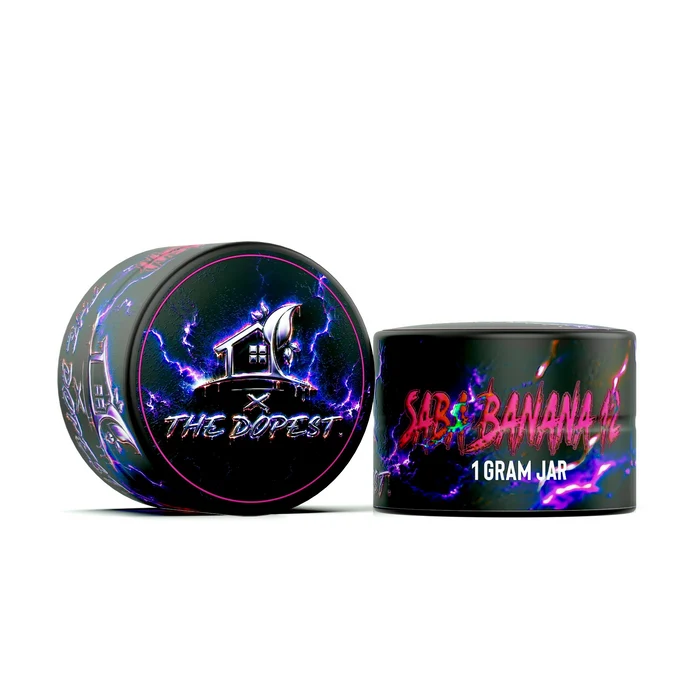

Static Hash – Saba Banana 12 (1 Gram)
Static Hash – Saba Banana 12 (1 Gram) is a cannabis concentrate product identified by its Saba Banana 12 cultivar or product designation and its one-gram format. For adults researching cannabis concentrates in the United States, understanding the product format, labeling, composition, and storage considerations can make it easier to compare products responsibly.
Static hash is a type of cannabis concentrate generally associated with the collection of trichome-rich material from cannabis flower. The term “static” can refer to a separation approach in which static electricity is used to help isolate trichomes from plant material. The resulting concentrate can have a distinctive texture and appearance depending on the production process, starting material, and handling conditions.
What Is Static Hash?
Static hash is part of the broader category of solventless cannabis concentrates. Unlike concentrates made using chemical solvents, traditional hash-making processes rely on physical separation techniques to collect resin-rich trichomes.
The one-gram size listed for Static Hash – Saba Banana 12 provides a clearly defined quantity for product identification and comparison. Actual characteristics can vary considerably between batches, so consumers should rely on the product’s current packaging and laboratory documentation rather than assuming that every batch has identical potency, cannabinoid percentages, or terpene composition.
For informational purposes, important details to check on a cannabis concentrate label include:
- Net weight
- THC percentage
- CBD percentage, when applicable
- Cannabinoid profile
- Terpene information
- Batch or lot number
- Laboratory testing information
- Packaging date
- Applicable warnings
- State-required compliance information
Saba Banana 12 Product Profile
The Saba Banana 12 designation identifies the specific product or cultivar name associated with this one-gram static hash. Names can provide useful product-identification information, but they should not be interpreted as guarantees regarding effects, potency, aroma, or chemical composition.
Cannabis concentrates can differ substantially based on genetics, cultivation conditions, harvesting practices, trichome maturity, processing techniques, and storage. Consequently, laboratory results are a more reliable source for determining the actual cannabinoid and terpene profile of a particular package.
A positive aspect of clearly labeled concentrate products is that standardized information can make comparison easier. When packaging provides a batch-specific certificate of analysis, consumers can examine measurable characteristics rather than relying solely on marketing terminology.
One-Gram Format
Static Hash – Saba Banana 12 is presented in a 1-gram format. Concentrates are typically sold in relatively small quantities because they contain concentrated cannabis constituents.
The stated net weight should always be verified against the physical packaging. Properly regulated products should include legally required labeling that identifies the quantity and relevant cannabinoid information.
The one-gram format can also make product identification straightforward for consumers comparing different concentrate sizes. However, quantity alone does not indicate potency or quality. Two products with identical weights may have substantially different cannabinoid concentrations and terpene profiles.
Texture and Appearance
Static hash may have a texture ranging from loose and powdery to more compact or resinous depending on how the trichomes were separated and subsequently handled.
Appearance can also vary according to the starting material and processing conditions. Color, texture, aroma, and consistency should therefore be treated as descriptive characteristics rather than definitive indicators of quality.
Consumers examining a packaged cannabis concentrate should look for intact packaging, clear labeling, and appropriate compliance information. Any product with damaged, leaking, contaminated, or improperly sealed packaging should be treated cautiously.
Cannabinoid and Terpene Information
One of the most important aspects of evaluating a cannabis concentrate is reviewing its laboratory-tested cannabinoid profile.
Potentially relevant information includes:
- Total THC
- THCA
- Total CBD
- CBDA
- CBG or CBGA
- CBC
- Other cannabinoids identified by laboratory testing
- Total terpene concentration
- Individual terpene percentages
The precise profile of Static Hash – Saba Banana 12 should be determined from its applicable laboratory report rather than inferred from the product name.
Terpenes are naturally occurring aromatic compounds found in cannabis and many other plants. Different terpene combinations may contribute to differences in aroma and flavor. Common cannabis-associated terpenes include myrcene, limonene, beta-caryophyllene, pinene, and linalool.
Responsible Product Research
Cannabis concentrates can contain substantially higher cannabinoid concentrations than conventional cannabis flower. This makes accurate labeling particularly important.
Adults researching concentrates should consider:
- Check the legal status in their jurisdiction.
- Review the package label before use.
- Verify laboratory testing where available.
- Pay attention to THC concentration.
- Keep cannabis products away from children and pets.
- Avoid driving or operating machinery after cannabis use.
- Store concentrates securely and according to applicable guidance.
These precautions are especially important because individual responses to cannabis can vary significantly.
Storage Considerations
Proper storage can help preserve the physical and chemical characteristics of cannabis concentrates. Excessive heat, direct sunlight, oxygen exposure, and inappropriate handling can affect concentrate texture and potentially influence cannabinoid and terpene stability.
A suitable storage environment should generally minimize unnecessary exposure to:
- Heat
- Direct light
- Excessive moisture
- Air
- Contaminants
- Frequent temperature fluctuations
Consumers should follow the storage instructions supplied by the manufacturer or licensed retailer whenever those instructions are available.
Why Product Documentation Matters
A major advantage of regulated cannabis markets is the availability of standardized product information. For a concentrate such as Static Hash – Saba Banana 12 (1 Gram), batch-specific documentation can provide substantially more useful information than the product name alone.
A certificate of analysis may help consumers understand the product’s measured cannabinoid concentrations, terpene profile, and testing status. Testing requirements differ between jurisdictions, so consumers should consult their state’s cannabis regulatory authority for applicable standards.
This approach provides a powerful way to distinguish objective product information from generalized descriptions.
Static Hash Compared With Other Concentrates
Static hash belongs to a broad ecosystem of cannabis concentrates that can include dry sift, bubble hash, rosin, resin, and other preparations.
The primary differences between these categories can involve:
- Extraction or separation technique
- Use or avoidance of solvents
- Starting material
- Processing temperature
- Texture
- Cannabinoid concentration
- Terpene preservation
- Final consistency
Static hash is particularly associated with physical trichome separation. By comparison, rosin is generally produced through heat and pressure, while solvent-based concentrates use extraction solvents followed by processing intended to remove those solvents.
These distinctions can be useful when researching concentrate terminology and comparing laboratory-tested products.
Final Product Overview
Static Hash – Saba Banana 12 (1 Gram) is a one-gram cannabis concentrate identified with the Saba Banana 12 designation. Its most relevant characteristics should be evaluated using current packaging, laboratory testing, and applicable regulatory information.
For adults researching cannabis concentrates in the United States, focusing on measurable information—such as net weight, cannabinoid percentages, terpene composition, batch identification, and testing documentation—offers a more reliable basis for understanding a product than promotional claims.
Consumers should purchase cannabis products only where permitted by applicable law and should verify that products come through appropriately regulated channels. Product availability, labeling requirements, potency limits, and purchasing rules can vary significantly by state.
Be the first to review “Static Hash – Saba Banana 12 (1 Gram)”
Related products



Reviews
There are no reviews yet.