



Pear Pressure – Hybrid THCA Vape Cartridge
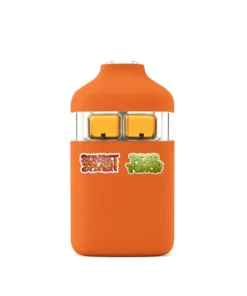
Pear Pressure is a hybrid THCA vape cartridge presented in a convenient cartridge format. For consumers researching THCA products in the United States, understanding the product category, cannabinoid terminology, hardware format, and applicable regulations can help support more informed decisions.
This informational overview focuses on the characteristics commonly associated with a THCA vape cartridge, rather than making claims about effects, medical benefits, or suitability for individual consumers.
What Is Pear Pressure?
Pear Pressure is described as a hybrid THCA vape cartridge, placing it within the broader category of hemp-derived cannabinoid vaporizer products. THCA, or tetrahydrocannabinolic acid, is a cannabinoid that occurs naturally in cannabis and hemp plants.
Unlike THC, THCA is the acidic precursor found in raw plant material. When exposed to heat, THCA can undergo decarboxylation and convert into THC. This chemical distinction is important when evaluating product descriptions and cannabinoid labeling.
The term hybrid generally describes a product associated with characteristics from both indica- and sativa-associated cannabis classifications. However, these traditional labels should not be treated as definitive indicators of physiological effects.
THCA Vape Cartridge Format
A vape cartridge is a compact vaporizer component designed to hold a cannabinoid formulation. Many cartridges are designed to connect to a compatible battery through a standardized threaded connection, although hardware configurations can vary between products.
The cartridge format is popular within the broader cannabinoid market because of its compact size and straightforward hardware design. Product specifications can differ considerably, so consumers should review the manufacturer’s packaging and laboratory documentation for information about cannabinoid concentration, ingredients, hardware, and testing.
Understanding THCA
THCA is one of numerous naturally occurring cannabinoids. In its unheated form, THCA has a different molecular structure from delta-9 THC. Heating can cause decarboxylation, changing THCA into THC.
This distinction makes accurate labeling especially important. A product marketed as containing THCA should be evaluated according to its stated cannabinoid profile and applicable testing documentation rather than relying solely on product names or marketing terminology.
Consumers researching THCA vape cartridges in the USA should also recognize that laws governing hemp-derived cannabinoids can vary by jurisdiction and can change over time.
Product Research and Transparency
When researching a cannabinoid vape cartridge such as Pear Pressure, several product details can be useful:
- Cannabinoid profile
- Total cartridge capacity
- Ingredient information
- Manufacturer or brand information
- Batch or lot identification
- Laboratory testing documentation
- Hardware specifications
- Applicable age requirements
- State and local regulatory information
Independent laboratory reports, where available, can provide additional information about cannabinoid concentrations and certain contaminants. Consumers should verify that testing documentation corresponds to the specific product or batch being evaluated.
Hybrid Product Classification
The word hybrid is widely used in cannabis and hemp product descriptions, but it does not provide a standardized chemical definition. Two products labeled hybrid may have substantially different cannabinoid and terpene compositions.
For this reason, examining a product’s actual laboratory results and ingredient information can provide more meaningful information than relying on the hybrid designation alone.
Cartridge Hardware
Hardware is another important component of a vape cartridge. Depending on the manufacturer, cartridges can use different materials, heating elements, mouthpiece designs, and connection systems.
A compatible battery may be required for a cartridge that does not include an integrated power source. Packaging should provide information about compatibility and intended use.
Consumers should avoid using damaged, leaking, cracked, or otherwise compromised vape hardware. Product packaging and manufacturer instructions should always take precedence over generalized information found online.
Quality and Testing Considerations
Quality documentation is particularly relevant when researching cannabinoid vaporizer products. A certificate of analysis, commonly called a COA, may provide laboratory information about cannabinoid concentrations and selected testing parameters.
A useful COA should be traceable to the product or batch being evaluated. Depending on the laboratory and applicable regulations, testing may address cannabinoids and contaminants such as residual solvents, heavy metals, pesticides, or microbial contaminants.
Not every product has identical testing requirements, so consumers should review the documentation provided for the specific item and consider the requirements applicable in their jurisdiction.
U.S. Regulatory Considerations
The regulatory environment surrounding hemp-derived cannabinoids and THCA products in the United States is complex. Federal, state, and local rules can differ, and individual jurisdictions may impose restrictions on particular cannabinoid products.
Because regulations can change, consumers should verify current requirements in their state and locality before purchasing, possessing, transporting, or using cannabinoid products.
Product availability online does not necessarily mean that a particular product is lawful in every jurisdiction. Responsible product research therefore includes checking current local requirements in addition to reviewing product information.
Responsible Product Information
Clear product information can help consumers distinguish factual specifications from advertising language. Terms such as “premium,” “powerful,” “smooth,” or “best” are promotional descriptions rather than standardized measures of product quality.
For a more reliable evaluation, compare measurable information such as cannabinoid content, ingredient lists, batch identification, testing documentation, and manufacturer information.
Consumers should also be aware that cannabinoid products can affect individuals differently. Products containing or capable of producing THC may impair coordination, judgment, and reaction time. They should not be treated as ordinary consumer products simply because they are marketed as hemp-derived.
Frequently Asked Questions
What is Pear Pressure?
Pear Pressure is described as a hybrid THCA vape cartridge. It is a cannabinoid vaporizer product presented in cartridge form.
What does THCA mean?
THCA stands for tetrahydrocannabinolic acid. It is an acidic cannabinoid precursor that can convert into THC when heated through a process known as decarboxylation.
Is Pear Pressure an indica or sativa product?
It is described as a hybrid product. However, the hybrid designation alone does not establish a standardized cannabinoid or terpene profile.
What should I check before evaluating a THCA cartridge?
Review the ingredient list, cannabinoid information, product labeling, batch information, laboratory testing documentation, hardware specifications, and applicable laws.
Are THCA products legal throughout the United States?
Not necessarily. Laws and regulations can differ among states and local jurisdictions and may change over time. Current local requirements should be verified before purchasing or possessing a cannabinoid product.
Final Considerations
Pear Pressure represents a hybrid THCA vape cartridge within the broader hemp-derived cannabinoid product category. The most useful approach to evaluating such a product is to focus on verifiable specifications rather than relying exclusively on marketing terminology.
For U.S. consumers researching THCA vape cartridges, checking current regulations, reviewing laboratory documentation when available, examining ingredients, and understanding the distinction between THCA and THC can provide a more informed foundation for product research.
This information is for general educational purposes and is not medical, legal, or safety advice. Cannabinoid products may be subject to age restrictions and jurisdiction-specific requirements.
Be the first to review “Pear Pressure – Hybrid THCA Vape Cartridge”
Related products

DISPOSABLE VAPES
DISPOSABLE VAPES
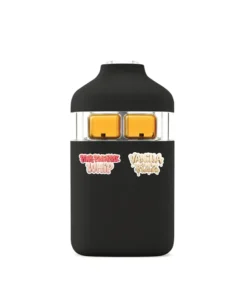
VANILLA FIZZ X PINK PINEAPPLE WHIP — 2G THCA Dual Flavor Disposable
DISPOSABLE VAPES
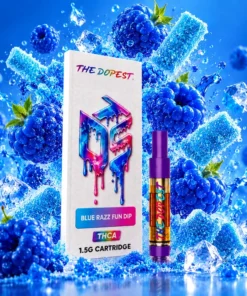
Blue Razz Fun Dip 1.5g Liquid Diamonds Hybrid THCA Vape Cartridge

DISPOSABLE VAPES
VAPE CARTRIDGES
VAPE CARTRIDGES
2G LIQUID DIAMONDS
Reviews
There are no reviews yet.