

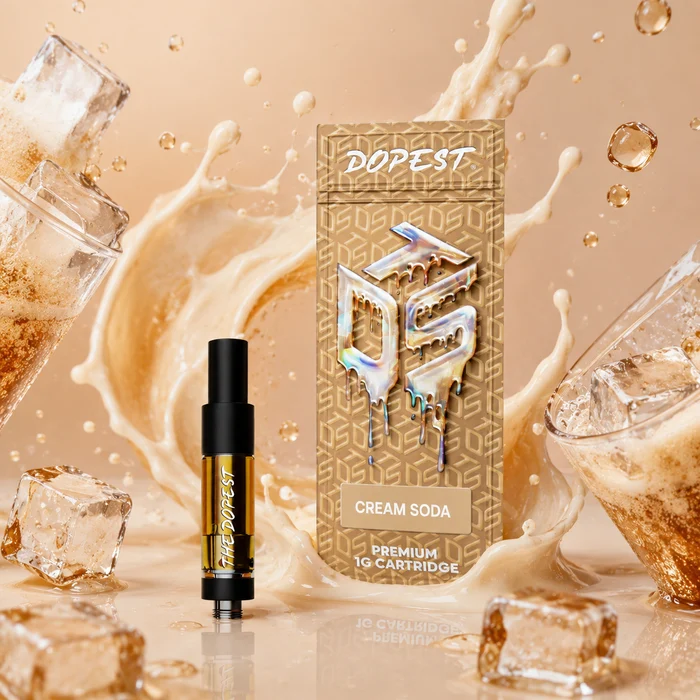

Cream Soda – THCA Vape Cartridge 1g
The Cream Soda – THCA Vape Cartridge 1g is a cannabis-derived vape cartridge associated with the flavor profile commonly described as cream soda. This informational overview explains the product format, terminology, labeling considerations, and factors consumers may want to evaluate when researching THCA vape cartridges in the United States.
What Is a 1g THCA Vape Cartridge?
A 1g THCA vape cartridge is a compact vaporization product containing a cannabis-derived formulation marketed around tetrahydrocannabinolic acid (THCA). The “1g” designation generally refers to the approximate amount of material contained in the cartridge, although exact labeling conventions can vary by manufacturer and jurisdiction.
THCA is a naturally occurring cannabinoid that is chemically related to THC. When exposed to sufficient heat, THCA can undergo decarboxylation, converting it into THC. Because vaping involves heating the cartridge’s contents, consumers should not assume that an item labeled “THCA” is non-intoxicating when used.
For that reason, product descriptions should distinguish between the cannabinoid listed on the label and the effects that may occur after heating.
Cream Soda Flavor Profile
The name Cream Soda generally indicates a sweet, creamy, soda-inspired flavor concept. Depending on the formulation, flavor characteristics may be described using terms such as:
- Creamy
- Sweet
- Vanilla-inspired
- Dessert-like
- Soda-inspired
- Smooth
- Rich
Flavor terminology is not necessarily a precise description of the cartridge’s chemical composition. Consumers researching a specific product should review its ingredient list, cannabinoid profile, and laboratory documentation rather than relying solely on the product name.
Understanding Cartridge Specifications
A 1g cartridge can differ substantially from another 1g cartridge depending on formulation, hardware, extraction method, cannabinoid concentration, and added ingredients.
Important specifications to review may include:
Net contents: Confirm that the package clearly states the quantity.
Cannabinoid profile: Look for information about THCA, THC, and other cannabinoids.
Ingredients: Review whether the formulation contains terpenes, flavoring compounds, carrier ingredients, or other additives.
Batch information: A batch or lot number can help connect the product to laboratory testing and manufacturing records.
Testing documentation: Where available, a certificate of analysis (COA) can provide additional information about cannabinoid content and contaminant testing.
Why Laboratory Testing Matters
Laboratory testing can provide useful information that cannot be determined from appearance or flavor descriptions alone. Depending on the testing program, a COA may report cannabinoid concentrations as well as screening for certain contaminants.
When evaluating a THCA cartridge, consumers may want to look for documentation addressing:
- Cannabinoid potency
- Pesticides
- Heavy metals
- Residual solvents
- Microbial contaminants
- Mycotoxins
- Product identification or batch number
A transparent product-labeling approach can make it easier to determine what a cartridge contains and whether its documentation corresponds to the particular production batch.
Hardware and Cartridge Construction
The cartridge itself is more than a container for cannabinoid material. Its hardware can affect how the formulation is delivered through the heating element.
Common cartridge components include a reservoir, heating element, mouthpiece, and connection mechanism. Many cartridges are designed around standardized threaded connections, although compatibility varies between products.
Storage and handling can also influence product quality. Excessive heat, direct sunlight, and improper storage may affect formulations containing cannabinoids and volatile aromatic compounds.
U.S. Regulatory Considerations
THCA products occupy a complicated regulatory environment in the United States. Federal, state, and local rules can differ, and laws governing hemp-derived cannabinoids and cannabis-derived products continue to change.
A product’s availability under one jurisdiction’s rules does not automatically mean that the same product is lawful everywhere in the United States. State-specific restrictions may apply to cannabinoid concentration, manufacturing, testing, packaging, labeling, possession, or sales.
Consumers should therefore verify the current laws applicable to their location before purchasing, possessing, or using cannabinoid products.
Responsible Product Research
Anyone researching a THCA vape cartridge should consider more than the advertised flavor or cannabinoid name. A useful evaluation starts with the product label and supporting documentation.
Questions worth asking include:
- Does the package identify the manufacturer?
- Is the ingredient list available?
- Is there a batch or lot number?
- Is independent laboratory testing available?
- Does the COA correspond to the stated batch?
- Are cannabinoid quantities clearly disclosed?
- Are applicable warnings and age restrictions provided?
- Is the product permitted under the laws where it is being sold or possessed?
These checks can help consumers avoid products with incomplete or misleading labeling.
Cream Soda THCA Cartridge: Key Information
The Cream Soda 1g format can be summarized as a cartridge-style cannabinoid product associated with a sweet cream-soda flavor concept. The most useful product information should come from the manufacturer’s current packaging and laboratory documentation rather than assumptions based on the product name.
For search purposes, relevant informational terms may include Cream Soda THCA vape cartridge, 1g THCA cartridge, THCA cartridge information, THCA vape product specifications, cannabinoid cartridge testing, and THCA laboratory testing.
Because cannabinoid formulations and regulations can change, current documentation is particularly important when researching products available in the U.S.
Final Considerations
The Cream Soda – THCA Vape Cartridge 1g represents a compact cartridge format associated with a cream-soda-inspired flavor profile and THCA terminology. Understanding what is actually inside the cartridge requires reviewing its cannabinoid content, ingredients, laboratory testing, manufacturing information, and applicable legal requirements.
Rather than relying solely on marketing claims, consumers can make more informed decisions by examining current product labels and batch-specific testing documentation. This approach provides a powerful foundation for evaluating cannabinoid products while recognizing that THCA can convert to THC when heated.
Anyone considering cannabinoid products should also be aware that vaping carries potential health risks and that cannabinoid products may produce intoxicating effects. Keep such products away from children and pets, follow applicable age restrictions, and consult qualified professionals when appropriate.
Be the first to review “Cream Soda – THCA Vape Cartridge 1g”
Related products
DISPOSABLE VAPES
Blue Razz Fun Dip 1.5g Liquid Diamonds Hybrid THCA Vape Cartridge
DISPOSABLE VAPES

DISPOSABLE VAPES
VAPE CARTRIDGES
DISPOSABLE VAPES
Reviews
There are no reviews yet.